HICLOVER Waste Incinerator: A Comparative Analysis of Compliance and Engineering Excellence
Introduction to HICLOVER Waste Incinerators
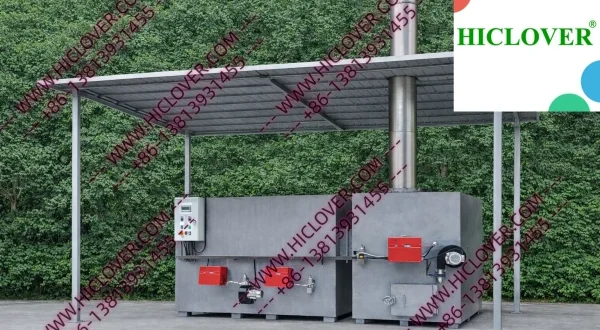
The demand for efficient and compliant waste incinerators has grown immensely, especially in the context of global health concerns and environmental regulations. HICLOVER, a leading incinerator manufacturer, provides solutions designed to meet stringent industrial standards, ensuring optimal performance within specified temperature ranges. Their products, including the medical waste incinerator, effectively operate at high temperatures, facilitating complete waste recovery while adhering to regulatory requirements. This article presents a comparative analysis of HICLOVER’s offerings, focusing on compliance, certifications, and the engineering reliability that positions them as a key player in the waste management sector.
1. Compliance and Certifications: Meeting Regulatory Standards
Understanding compliance is crucial when selecting an incinerator. HICLOVER’s waste incinerators are designed to align with various international standards, such as WHO guidelines and EU emission frameworks. Here are some key aspects:
- High-Temperature Retention: Essential for effective waste destruction, HICLOVER incinerators achieve operating temperatures of over 1000°C, ensuring complete combustion of hazardous materials.
- Dual Chamber Design: Many HICLOVER models feature a dual chamber system, which optimizes combustion efficiency and minimizes emissions, thus ensuring compliance with strict environmental regulations.
- Certification Standards: Products are certified to meet ISO and other industry-specific standards, ensuring that they not only perform well but also adhere to safety and regulatory requirements.
2. Comparing Incinerator Types: Fixed vs. Containerized
When considering containerized incinerator manufacturers, understanding the differences between fixed and containerized systems is vital:
- Fixed Incinerators: Typically stationary and suited for large-scale operations, they require significant infrastructure and may not be as flexible in various environments.
- Containerized Systems: HICLOVER’s small capacity incinerators come as mobile units, providing flexibility for remote locations such as humanitarian camps or crisis zones. Their plug-and-play design enables quick setup and operation.
3. Control Systems: PLC vs. Manual
The control system of an incinerator can significantly impact its performance:
- PLC Automation: HICLOVER’s PLC-controlled systems offer precision and ease of operation, allowing for better monitoring and adjustment of combustion parameters.
- Manual Controls: While less common in modern designs, some models may still use manual controls, which can be less efficient but cost-effective for certain applications.
4. Emission Control: Dry Scrubber vs. Wet Scrubber
Emission control systems are integral to compliance:
- Dry Scrubber: Utilized in systems to minimize particulate emissions, this technology is effective in reducing dust and acid gases.
- Wet Scrubber: This method captures more pollutants, making it suitable for high-emission waste streams, enhancing compliance with stringent regulations.
5. Practical Applications and Engineering Reliability
HICLOVER waste incinerators cater to diverse needs with their robust engineering:
- Mobile Modular Systems: Ideal for areas lacking permanent infrastructure, such as remote mining or oil camps, allowing for decentralized waste management.
- Customizable Solutions: With factory direct supply capabilities, HICLOVER provides tailored chamber volumes to meet specific user requirements.
- Global Reach: Their stable supply chain and engineering experience ensure reliable products for global export, meeting local compliance needs.
For more information on HICLOVER’s innovative waste management solutions, visit their website here.